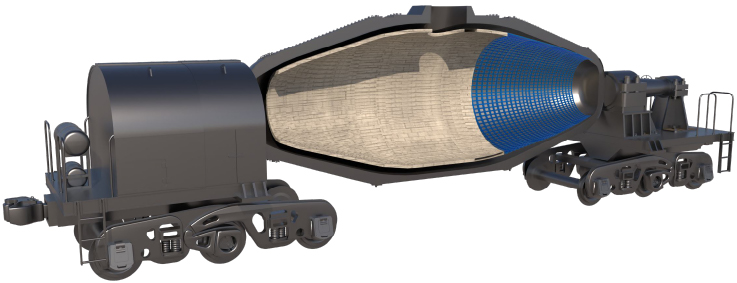
Smart Torpedo Ladle Car
The Smart Torpedo Ladle Car (TLC) system enables real-time monitoring of surface temperature at critical areas of the torpedo ladle during hot metal transportation. Temperature data is continuously collected to track thermal behavior, analyze heat loss, and monitor refractory condition over time. By combining temperature data with real-time TLC location information, the system provides integrated visibility into both thermal status and transport operation. This data-driven approach supports safer hot metal handling and more efficient management of heat loss and refractory life during transport.
| Data | DX |
|---|---|
|
|
|
|
|
|
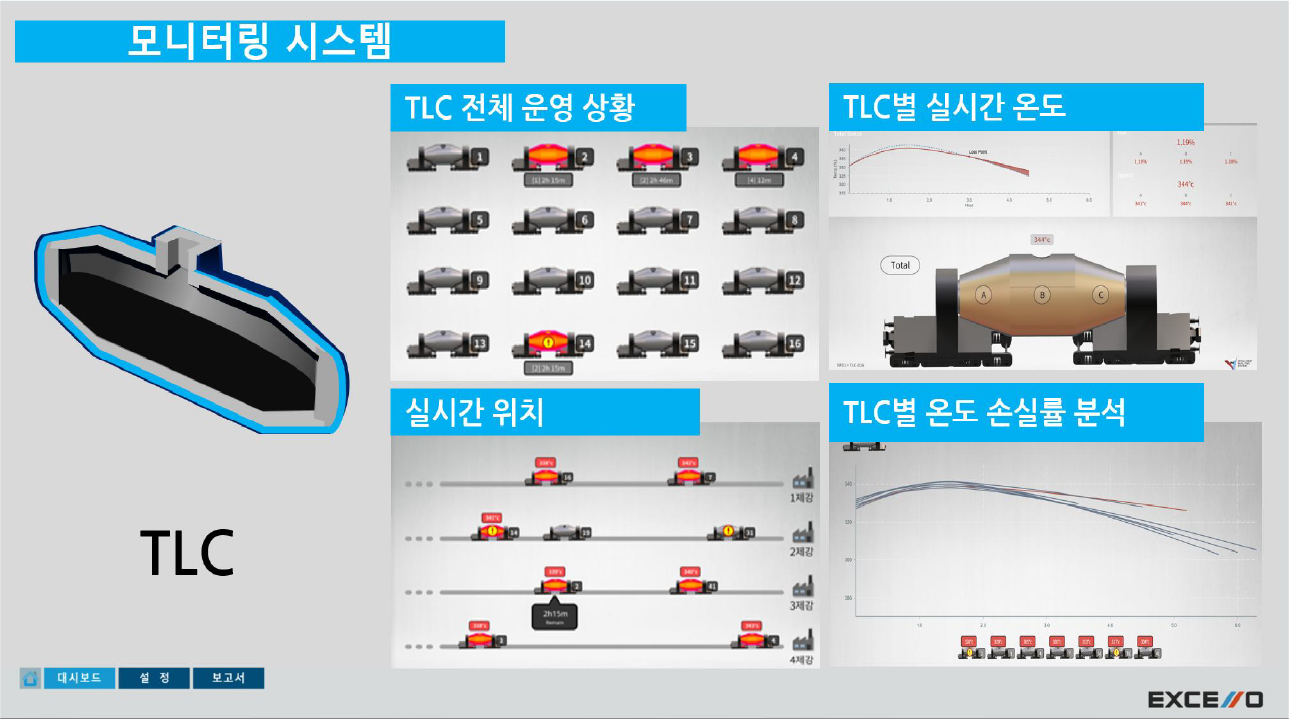
Smart Torpedo Ladle Car Monitoring
Surface Temperature Monitoring
Surface temperature data is continuously collected from critical areas of the torpedo ladle to visualize thermal conditions during hot metal transportation
Real-time Location Tracking
Real-time TLC location data is monitored to provide visibility into ladle movement and transport status across the steel plant
Temperature Trend and Heat Loss Monitoring
Temperature data is accumulated and displayed as trend graphs to monitor temperature change and heat loss behavior transport time
Benefits
 Safety
- Real-time surface temperature monitoring reduces the need for operators to manually check the torpedo ladle during hot metal transportation
- Early detection of abnormal surface temperature allows operators to respond before conditions escalate into safety risks
- Continuous visualization of ladle temperature status lowers reliance on manual, experience-based judgement
- Real-time location awareness improves control over hot metal transport within the plant
 Productivity Improvement
- Real-time monitoring of temperature and location reduces uncertainty during hot metal transport
- Immediate visibility of ladle status minimizes delays caused by status confirmation or manual checking
- Temperature trend monitoring enables more consistent supervision of thermal conditions during transport
- Integrated monitoring of transport status supports smoother coordination of hot metal movement
 Cost Reduction
- Continuous monitoring of temperature loss makes heat loss during transport visible, reducing unnecessary thermal energy waste
- Early identification of abnormal cooling helps prevent excessive reheating or corrective handling after transport
- Temperature trend data enables timely observation of refractory degradation, avoiding premature or delayed maintenance
- Reduced reliance on manual inspection lowers indirect maintenance and operational costs